
1946
Spreyton Cricket Club is formed
The club began with one A Grade side playing One Day Games in the Devonport Cricket Association. Its home ground was Stott’s Paddock, just along Woodrising Road.
Our club
From the first recorded season in 1946 to the players, volunteers and supporters carrying the Eagles forward today.

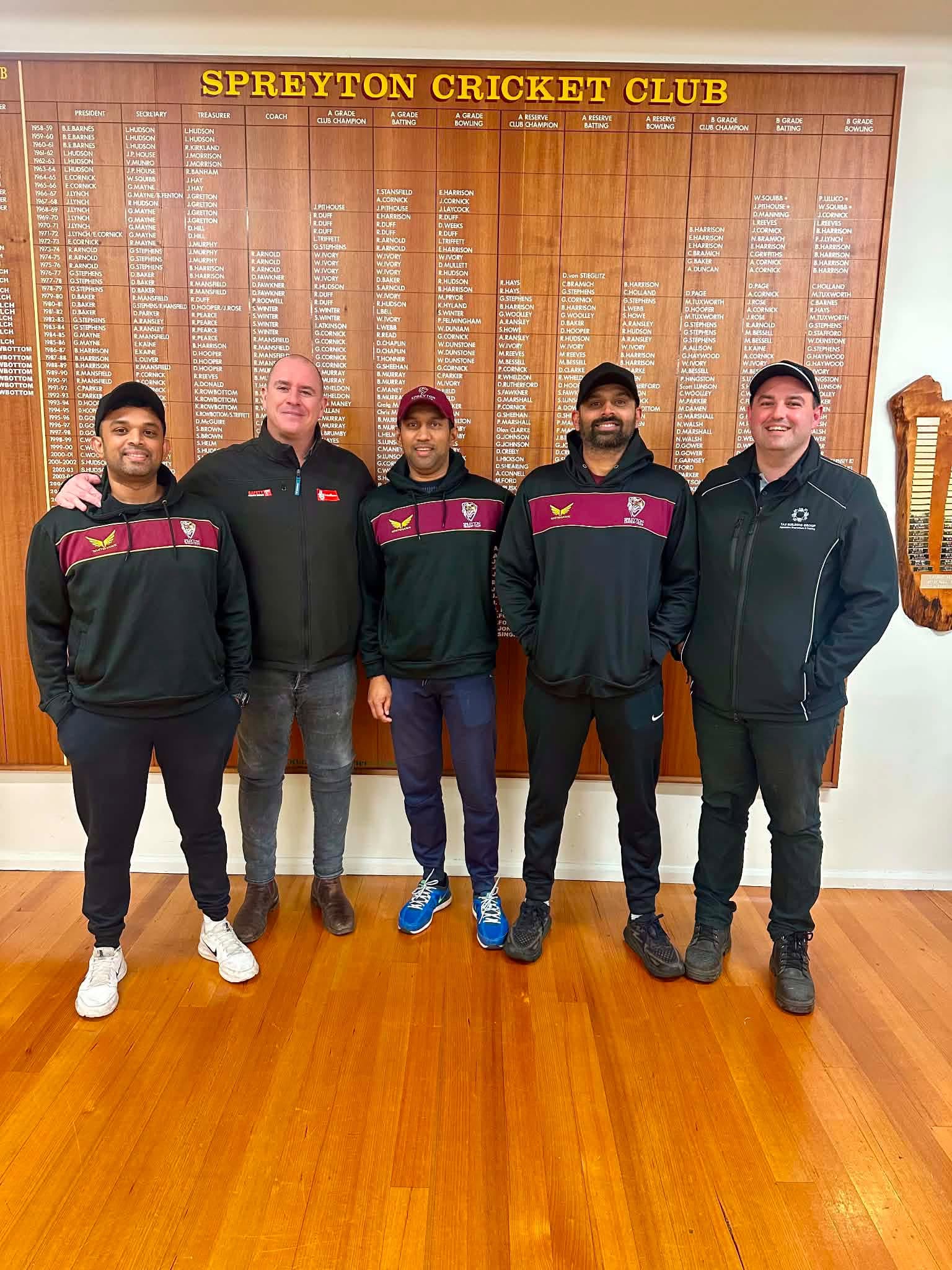
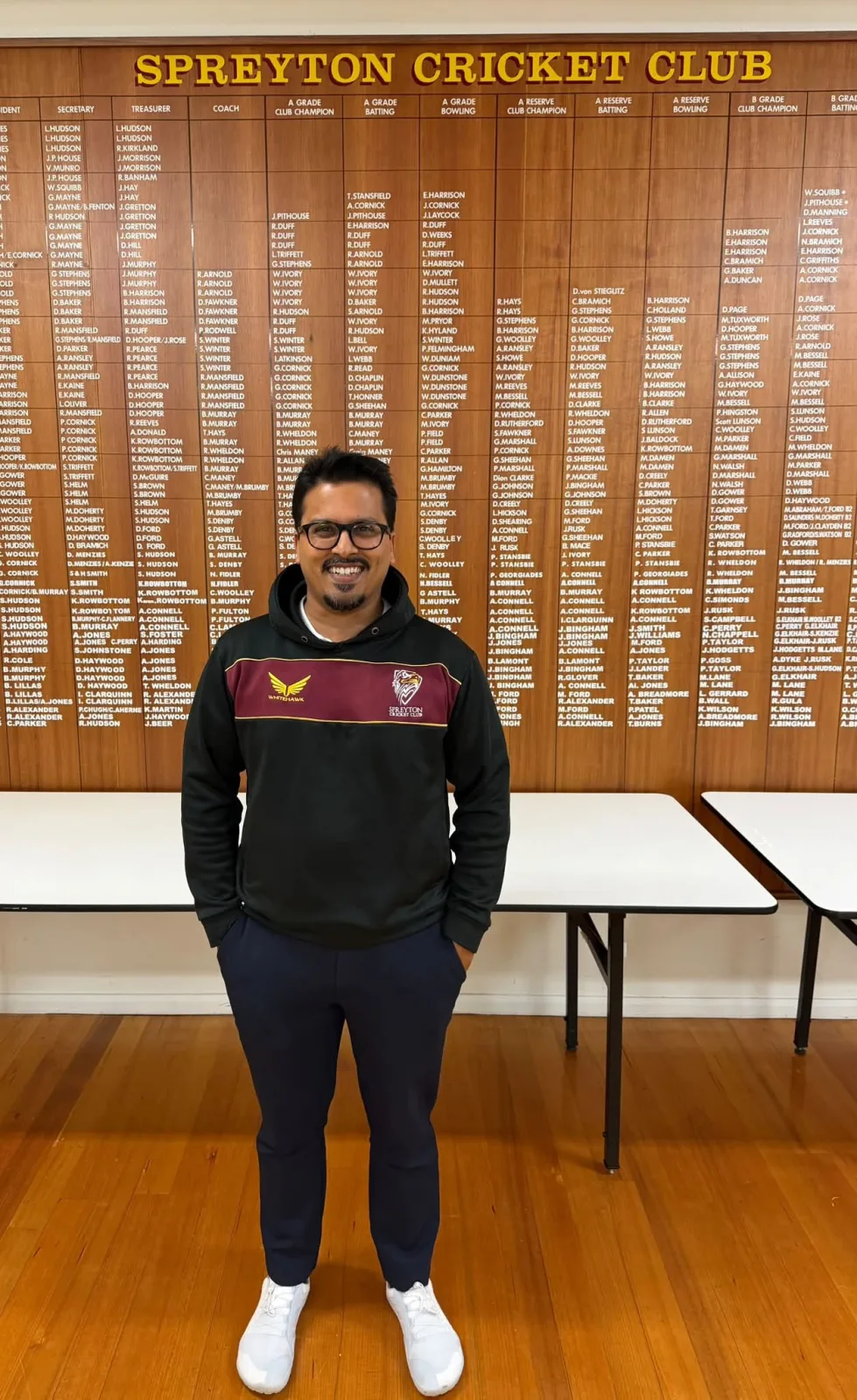
The people behind the name
The club story
Spreyton Cricket Club was formed in 1946 with one A Grade side playing One Day Games in the Devonport Cricket Association. Its story has carried through changing grounds, associations, teams and clubrooms ever since.
The club began with one A Grade side playing One Day Games in the Devonport Cricket Association. Its home ground was Stott’s Paddock, just along Woodrising Road.
Still fielding one A Grade side, Spreyton joined the Latrobe Cricket Association and played Two Day Games through to the 1960–61 season.
Spreyton moved from Stott’s Paddock to an oval situated in the centre of the Spreyton Racecourse.
In an unusual season, Spreyton fielded two A Grade sides. Both teams played off for the premiership, with Spreyton defeating the Spreyton Colts.
The Latrobe and Devonport associations merged to become the Mersey Valley Cricket Association, with Spreyton fielding A and B Grade sides.
With the completion of Maidstone Oval, Spreyton moved from the racecourse to its present ground, where only the changerooms served as the clubhouse.
The Cricket and Football Clubs joined to commence Wednesday Night Bingo, using their alternate clubrooms in their respective off seasons.
Spreyton entered three senior sides as well as junior sides into the competition.
Club members decided to build a clubhouse, completing the building through voluntary labour during the season.
The club took on a new direction with the formation of the Bowls Club.
Community impact
The club’s value is seen in participation, belonging, volunteering and a place where the local community can gather. The future site can turn that work into a clear, evidence-backed record.
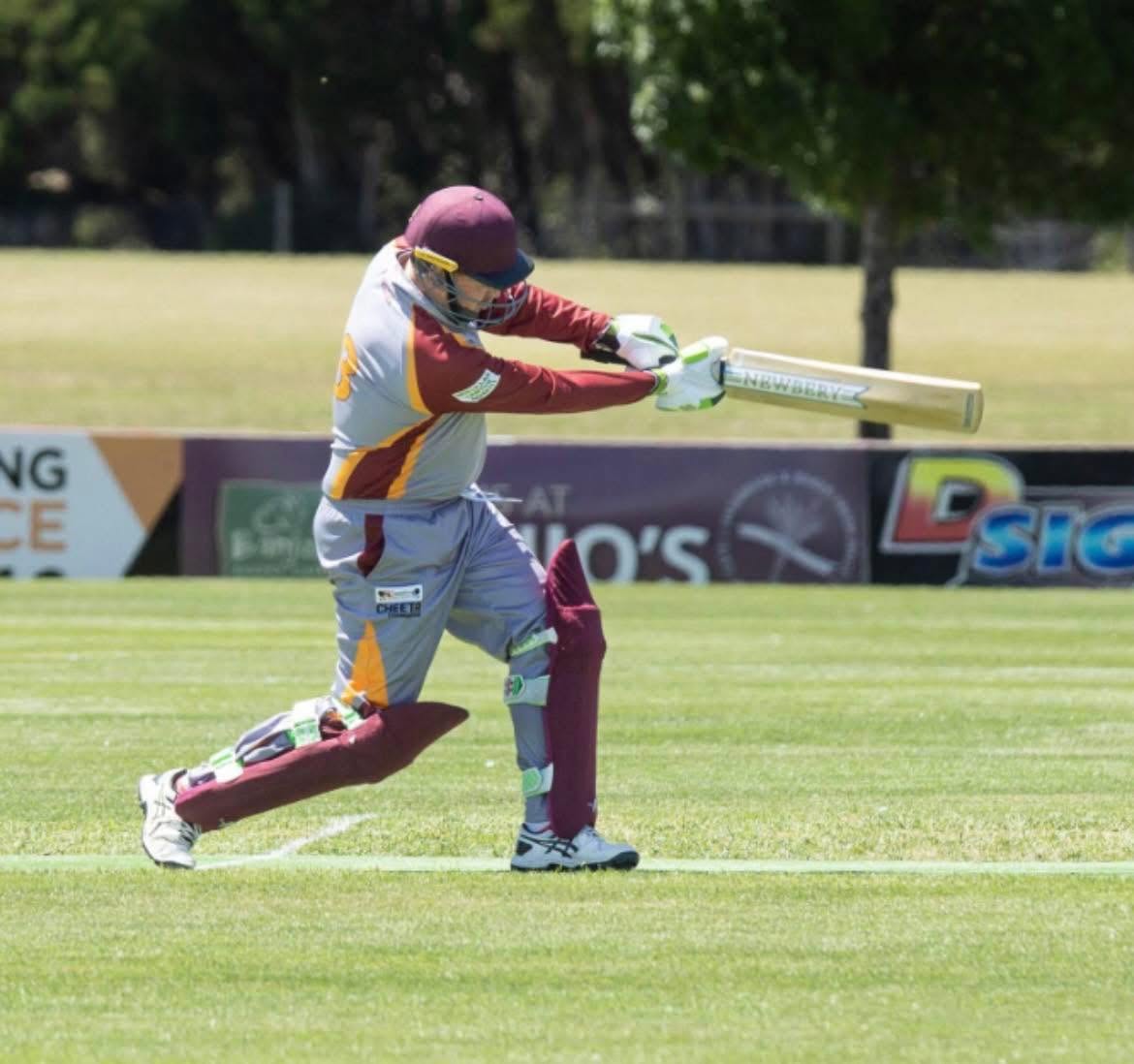
Make pathways into cricket visible and easier to understand.
Show the people and traditions that create a genuine club community.
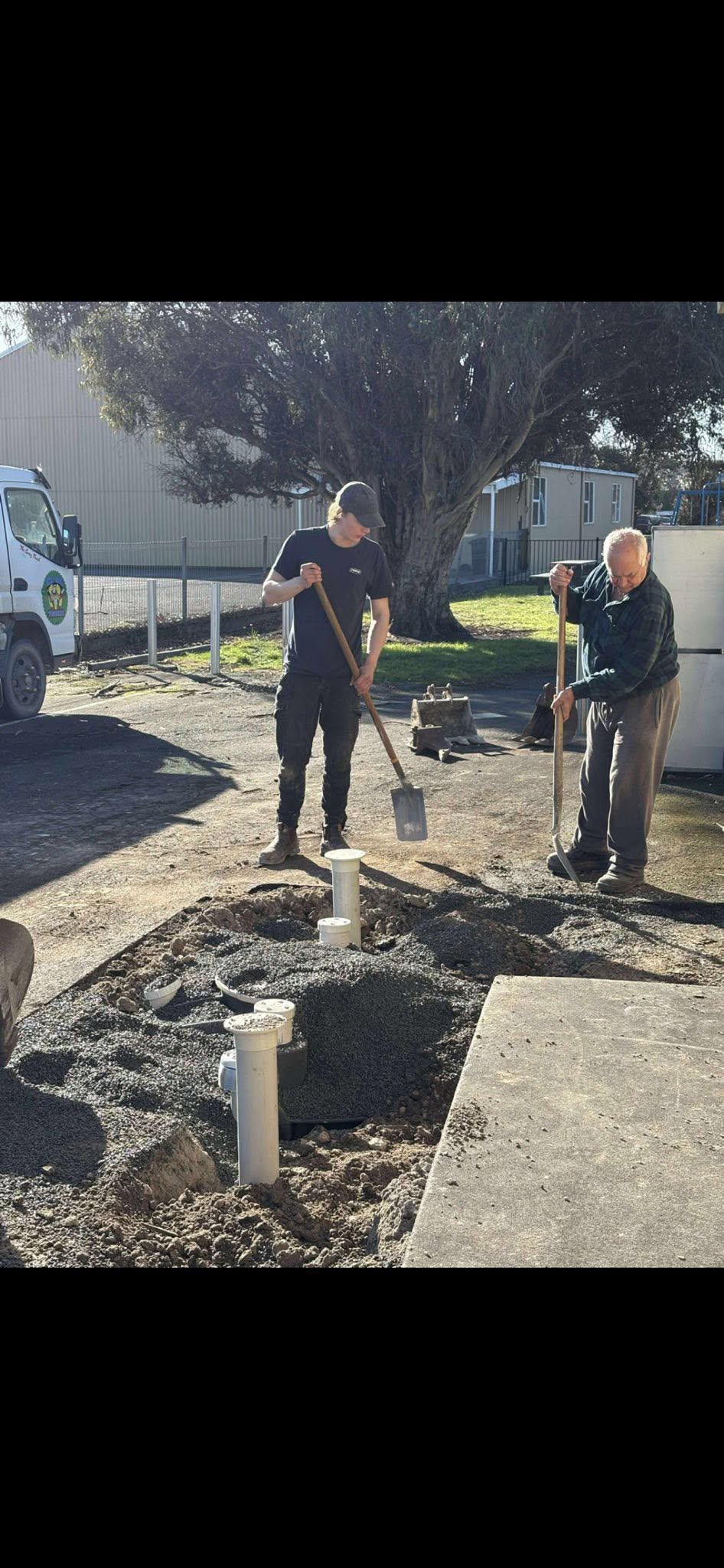
Recognise the time and practical work that keeps the club moving.
Give the clubrooms and community role a strong public front door.